|
Hybrid Types Hybrid Electric Vehicle A hybrid electric vehicle (HEV) is a
vehicle which combines a conventional propulsion system with an on-board
rechargeable energy storage system (RESS) to achieve better fuel economy than a
conventional vehicle without being hampered by range from a charging unit like a
battery electric vehicle, which uses batteries charged by an external source.
The different propulsion power systems may have common subsystems or components.
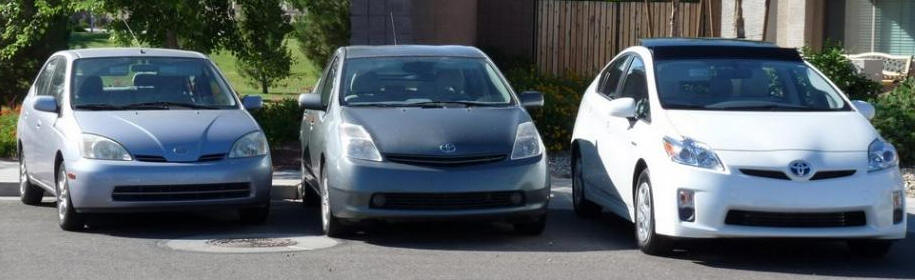
An HEV gets all it's energy from petrol. All Prius sold in South Africa are HEVs
Plugin Hybrid Electric vehicle A plug-in hybrid electric vehicle (PHEV) is a hybrid vehicle with batteries that can be recharged by connecting a plug to an electric power source. It shares the characteristics of both conventional hybrid electric vehicles and battery electric vehicles, having an internal combustion engine and batteries for power. Most PHEVs on the road today are passenger cars, but there are also PHEV versions of commercial passenger vans, utility trucks, school buses, motorcycles, scooters, and military vehicles. PHEVs are sometimes called grid-connected hybrids, gas-optional hybrids, or GO-HEVs. [wikipedia.org] According to the US Department of Transportation 80% of people drive 80km per day or less. This means that a PHEV with an all electric range of 80km will eliminate emissions from 80% of cars. Not bad. The cool thing is that when you do want to take that long trip, your car will run electric for the first 80km then revert to a standard HEV after that with reduced fuel consumption. A PHEV version of the Prius is available in the USA and Japan.
Mild Hybrid
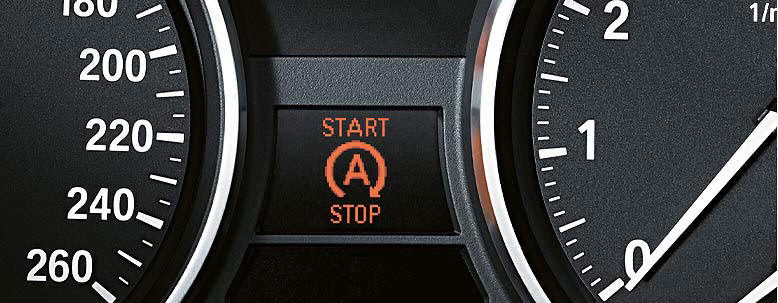
Engine stop icon of the BMW 1 series manual diesel Mild hybrids are essentially conventional vehicles with
oversized starter motors, allowing the engine to be turned off whenever the car
is coasting, braking, or stopped, yet restart quickly and cleanly. Accessories
can continue to run on electrical power while the engine is off. The larger
motor is used to spin the engine up to operating rpm speeds before injecting any
fuel. Examples : BMW EfficientDynamics available on 1, 3 and 5-series |